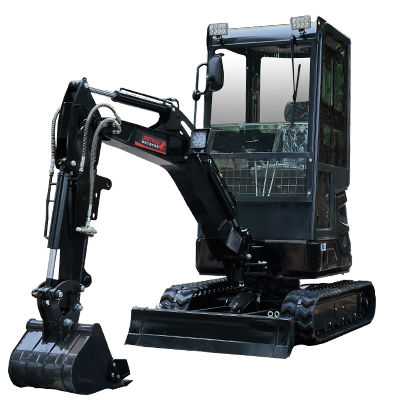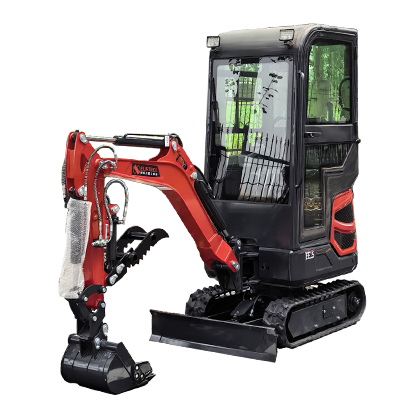

A Step-by-Step Guide to Safe, Efficient Handling of This Compact Excavator
For small contractors, landscapers, and municipal teams tasked with urban residential projects—from patio foundation digging to utility line installation—operating a mini excavator in tight urban spaces demands a mix of precision, safety awareness, and machine-specific know-how. The EE25T-2 compact excavator is engineered to excel in these scenarios, with a 360° swing design, Danfoss hydraulic system, and 25kw Changchai 390 engine that balances power and agility. This guide breaks down actionable operation techniques to maximize your EE25T-2’s performance while minimizing risk on residential job sites.
1. Pre-Operation Safety & Inspection: Lay the Foundation for Smooth Work
Before starting any task, a 10-point pre-operation check is critical to avoid downtime and ensure compliance with urban job site safety standards:
Hydraulic System Check: Inspect the 22L hydraulic tank and pipes for leaks. The EE25T-2’s Danfoss traveling and swing motors rely on consistent pressure, so top up with ISO 46 hydraulic fluid if levels are low.
Track Inspection: Examine the 230mm-wide rubber tracks for wear or debris buildup. Adjust tension to prevent slipping on paved sidewalks or lawns—key for rubber track mini excavator operation in residential areas.
Engine & Fuel Check: Verify the 25kw Changchai 390 engine’s oil level and ensure the 16L fuel tank is topped up. For morning starts, run the engine for 2–3 minutes to warm the hydraulic system, a critical step for compact excavator cold-weather operation.
Cab & Controls Test: Confirm LED work lights, hydraulic pilot controls, and foot pedals are responsive. The EE25T-2’s enclosed cab protects operators from urban dust and debris, so check door seals for gaps before starting.
2. Basic Maneuvering: Navigate Narrow Urban Spaces With Confidence
The EE25T-2’s 1350mm body width and 850mm swing radius make it the ideal 360 swing compact excavator for narrow backyards and city alleys. Follow these steps for safe maneuvering:
360° Swing Technique: When loading soil into a wheelbarrow or truck, use the full 360° body swing to avoid repositioning the entire machine. This cuts material handling time by 20% on typical residential jobs.
Tight Turn Strategy: For 90° turns in 1.5m-wide gaps, pivot using the tracks and swing the boom simultaneously. The EE25T-2’s 3.4km/h travel speed ensures smooth movement without damaging lawns or paved surfaces.
Slope Operation: On sloped terrain (up to 35° climbing angle), keep the boom low and tracks aligned with the slope to maintain stability. This is essential for mini excavator slope safety in hilly urban neighborhoods.
3. Attachment Operation: Adapt to Multi-Task Urban Jobs
The EE25T-2’s interchangeable attachments—enlarged bucket, front shovel, and thumb grip—transform it into a multi-task mini excavator for residential construction. Here’s how to use each effectively:
Enlarged Bucket (0.07m³ Capacity): For bulk soil removal in patio foundation digging, use the hydraulic pilot controls to adjust bucket angle for precise loading. The EE25T-2’s 2752mm maximum digging depth lets you reach below frost lines in cold climates.
Front Shovel: For clearing construction debris or grading landscape beds, lower the shovel to ground level and push forward with steady pressure. This is more efficient than manual raking for mini excavator landscape grading.
Thumb Grip: For lifting rocks or tree stumps, engage the thumb grip to secure materials before swinging. The EE25T-2’s hydraulic system delivers consistent clamping force, reducing the risk of dropped debris on job sites.
4. Advanced Precision Techniques: Dig Safely Around Urban Utilities
Urban residential projects often require digging near water lines, electrical cables, or sewer pipes—tasks that demand precision mini excavator operation. Use these tips to avoid costly damage:
Depth Control: Use the EE25T-2’s maximum digging depth gauge to stay within safe limits (e.g., 600mm for shallow utility lines). The hydraulic pilot controls let you make 10mm micro-adjustments, critical for avoiding underground infrastructure.
Boom Positioning: Keep the boom close to the machine when digging near fences or buildings. The EE25T-2’s 2148mm minimum swing radius ensures you won’t strike surrounding structures during 360° turns.
Visual Checks: Pause periodically to verify alignment with utility markings. For added safety, use a ground-penetrating radar (GPR) before digging—standard practice for urban mini excavator utility jobs.
5. Post-Operation Best Practices: Protect Your Investment
After completing a task, take these steps to extend your EE25T-2’s lifespan and ensure readiness for the next job:
Debris Removal: Clear mud, soil, and debris from the undercarriage and tracks using a stiff brush or pressure washer. This prevents rust and premature wear on the Danfoss motors.
Hydraulic System Flush: Every 500 hours, flush the hydraulic system to remove contaminants. This maintains the EE25T-2’s responsive performance for long-term compact excavator reliability.
Secure Storage: Park the machine in a covered area to protect the cab and hydraulic pipes from urban dust and rain. For extended storage, use a trickle charger to keep the battery charged.
Ready to master EE25T-2 operation and take on more urban residential projects with confidence? Contact our team today to request a free EE25T-2 operation video tutorial or schedule a on-site training session for your crew.